
High Country Gardens Shares How to Plant a Hummingbird Garden This Fall for Spring and Summer Blooms
Fall planting helps gardeners prepare a waterwise hummingbird garden with nectar-rich flowers, successive blooms, water
Press Release Disclaimer: This is a press release distributed through the XPR Media network. It has not been independently verified by our newsroom.
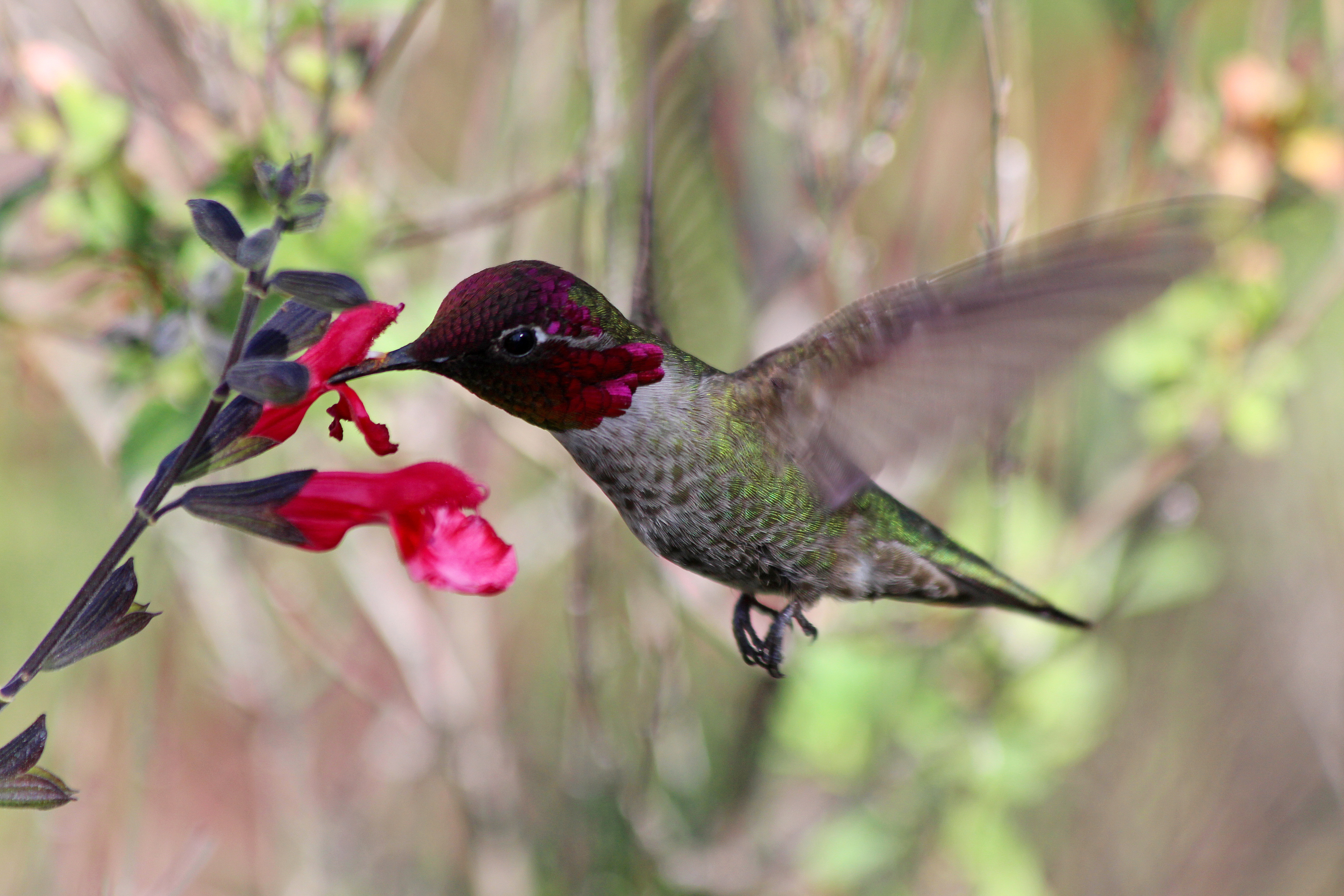

Fall planting helps gardeners prepare a waterwise hummingbird garden with nectar-rich flowers, successive blooms, water and shelter.
CLINTON, UT, UNITED STATES, October 14, 2026 /EINPresswire.com/ — Creating a hummingbird-friendly garden starts with more than flowers. Nectar-rich plants that bloom at different times, moving water, sheltered perches and a healthy supply of small insects can help provide the food and habitat hummingbirds need. As many hummingbirds migrate south for winter, fall offers an opportunity to prepare suitable perennial plantings for the next growing season.
High Country Gardens has updated its guide, Make Your Yard a Hummingbird Haven: Plants, Water & Shelter for Hummingbird Habitat, with practical advice on choosing nectar-rich plants, planning seasonal blooms and creating a waterwise landscape that supports hummingbirds and other wildlife.
The guide draws on a presentation by Tabar Gifford at the Sedona Hummingbird Festival in July 2026. The Southwest is home to more hummingbird species than any other region of the United States, making the festival an opportunity to explore how thoughtful plant selection and habitat planning can support these remarkable birds alongside other pollinators.
“There’s something magical about knowing that the flowers I plant help support a tiny flying jewel that travels thousands of miles and finds its way back to my garden each year. It reminds me that even a small garden can make a difference for a bird capable of such an extraordinary journey,” said Gifford, Master Gardener, Certified Pollinator Steward and Partnership Cultivator with High Country Gardens.
WHY FALL PLANTING MATTERS FOR HUMMINGBIRD GARDENS
Fall can be a productive time to plant suitable perennials, shrubs and trees. Cooler air temperatures and soil that remains warm enough for root growth can help plants establish before the following growing season. Well-established plants may be better prepared for summer heat and dry conditions when they are suited to the site and receive appropriate care.
High Country Gardens generally recommends planting cold-hardy perennials in cold-winter regions six to eight weeks before the average date of hard frost. The best timing depends on local conditions, plant hardiness and how long the soil remains workable. In regions where the ground freezes early, spring planting may be the better choice.
The goal is to prepare for future hummingbird visits, not to feed birds already migrating this fall. Gardeners can begin by assessing their growing conditions, then selecting plants that offer nectar at different points in the growing season.
A HUMMINGBIRD GARDENING LEGACY
High Country Gardens’ approach to hummingbird gardening builds on the work of its late founder, David Salman, an avid hummingbird gardener and plantsman who championed Agastache, commonly known as hummingbird mint. His work emphasized natural nectar from flowers as an important
foundation for hummingbird habitat.
That philosophy continues through High Country Gardens’ focus on waterwise gardening, natural nectar and habitat creation. The company also sponsors the International Hummingbird Society’s Certified Hummingbird Haven Program, which encourages gardeners to create landscapes that provide food, water and shelter while following wildlife-friendly practices.
NATURAL NECTAR: PLAN FOR BLOOM THROUGH THE SEASON
Flowering plants provide natural nectar, the foundation of a hummingbird-friendly garden. Many hummingbird-favored flowers have tubular blossoms, and vivid flower colors can help birds locate potential food sources. Planting a variety of species with overlapping bloom times can provide more consistent opportunities for hummingbirds to find nectar.
High Country Gardens recommends choosing plants suited to local climate, soil, sunlight and moisture conditions. Appropriate native plants can also support regional wildlife and pollinators, although gardeners should consider each plant’s nectar value, flowering period and growing requirements rather than assuming every native species is a hummingbird food source.
The company’s hummingbird garden guide includes examples of plants that can contribute to a succession of blooms.
• Spring and early summer: Penstemon (beardtongue), Aquilegia (columbine), Heuchera (coral bells) and Lonicera (honeysuckle) can provide earlier-season flowers. Arp rosemary is another option where it is suited to the local climate.
• Midsummer through fall: Agastache (hummingbird mint), Scrophularia macrantha (Redbirds in a Tree), Monarda (bee balm), Salvia and Zauschneria (hummingbird trumpet) offer additional options as the season progresses. Hesperaloe (Texas red yucca) is suited to appropriate warm, dry climates.
• Additional seasonal color: Annuals such as zinnia, cleome and Mexican sunflower can add nectar-rich flowers. Spring-planted bulbs and corms, including crocosmia, gladiolus, callas and cannas, can provide seasonal color while perennial plantings mature.
Plant choices and bloom times vary by species, cultivar, climate and growing conditions. Not every hummingbird-friendly plant requires full sun; columbine and coral bells, for example, can offer options for part-shade gardens. Many species and cultivars of Agastache, Penstemon, Salvia and Zauschneria can also be waterwise choices once established, provided they are matched to suitable growing conditions.
Gardeners can explore High Country Gardens’ hummingbird plant selection for additional plant ideas.
WATER, SHELTER AND A HEALTHY FOOD WEB
Nectar is only one part of a hummingbird’s habitat. Water, safe places to rest and a healthy supply of small insects and spiders also matter.
• Moving water: Hummingbirds are attracted to moving water. A small fountain, dripper or low-volume mister can provide opportunities for drinking and bathing. Place water features in an open location away from places where cats could hide.
• Shelter and perches: Conifers, shade trees and taller shrubs provide protected places to rest and perch. Leaving suitable bare branches on shrubs or lower tree limbs can offer useful perching spots. Keeping cats indoors helps protect visiting birds.
• Insects and habitat: Hummingbirds also eat small insects and spiders for protein. Avoiding pesticides and herbicides helps protect these food sources. Diverse plantings can support the insects hummingbirds eat while providing nectar and habitat for bees, butterflies and other pollinators.
Choosing plants adapted to local climate, soil and rainfall can also help reduce ongoing watering needs. A well-planned waterwise garden balances the needs of its plants with available moisture, creating habitat without relying on a one-size-fits-all planting list.
FEEDERS AS A SUPPLEMENT TO NATURAL NECTAR
Feeders can supplement natural nectar when flowers are scarce or new plantings are still becoming established. High Country Gardens encourages gardeners to make flowering plants the foundation of hummingbird habitat.
For those who use feeders, follow the International Hummingbird Society’s current guidance for nectar preparation, cleaning and replacement. Plain white granulated sugar and water are commonly used for hummingbird nectar; avoid red dye, honey and alternative sweeteners. Regular cleaning and fresh nectar help reduce the risk of fermentation and microbial growth, particularly in warm weather.
“Feeders can be a wonderful supplement to the natural nectar in your garden, as long as they’re kept clean and filled with the right solution. They also bring hummingbirds close enough to observe their amazing behavior. There’s a special kind of magic in watching these tiny birds up close, and feeders can help gardeners of all ages discover that wonder for themselves,” said Gifford.
CERTIFYING A HUMMINGBIRD HAVEN
High Country Gardens sponsors the International Hummingbird Society’s Certified Hummingbird Haven Program. The program recognizes gardens that provide food, water and sanctuary while following eco-friendly practices.
Gardeners can register their spaces, receive a personalized certificate and access gardening tips through the program’s e-newsletter. Official Certified Hummingbird Haven signs are also available for those who wish to display their participation.
By combining nectar-rich flowers, moving water, shelter and a healthy food web, gardeners can take practical steps to support hummingbirds and other wildlife close to home.
RESOURCES FOR PLANNING A HUMMINGBIRD GARDEN
• Plan a Hummingbird Haven: https://www.highcountrygardens.com/blogs/waterwise/how-to-make-your-yard-a-hummingbird-habitat
• Explore Hummingbird Plants: https://www.highcountrygardens.com/collections/hummingbird-friendly-plants
• Advantages of Fall Planting: https://www.highcountrygardens.com/blogs/perennials/benefits-of-planting-perennials-in-fall
• Discover the Certified Hummingbird Haven Program: https://www.hummingbirdsociety.org/certified-garden
• Explore David Salman’s Hummingbird Garden: https://www.highcountrygardens.com/blogs/waterwise/david-salmans-hummingbird-garden
ABOUT HIGH COUNTRY GARDENS
High Country Gardens believes Sustainability Begins In Your Backyard. As an online source for waterwise plants, gardening education, and sustainable landscaping resources, High Country Gardens has helped gardeners create beautiful outdoor spaces suited to challenging Western conditions since 1993. Learn more about waterwise lawn alternatives and sustainable landscaping approaches at: https://www.highcountrygardens.com
ABOUT THE INTERNATIONAL HUMMINGBIRD SOCIETY
The International Hummingbird Society is dedicated to teaching about hummingbirds and working internationally to protect them. Through education, research, and outreach, it helps ensure these birds continue to thrive.
Tabar Gifford
High Country Gardens
ltabar@americanmeadows.com
Visit us on social media:
Instagram
Facebook
YouTube
TikTok
Other
Plants With a Purpose | Discover how waterwise plants, natural nectar, and habitat can help make your garden more sustainable.
Legal Disclaimer:
EIN Presswire provides this news content “as is” without warranty of any kind. We do not accept any responsibility or liability
for the accuracy, content, images, videos, licenses, completeness, legality, or reliability of the information contained in this
article. If you have any complaints or copyright issues related to this article, kindly contact the author above.

Media gallery
