LJF Highlights Key Factors in Fiberglass Vs Synthetic Pocket Filter Manufacturer China Selection
Just another WordPress site
Press Release Disclaimer: This is a press release distributed through the XPR Media network. It has not been independently verified by our newsroom.

Guangzhou, Guangdong, China-September 23,2026
As air quality requirements continue to develop across commercial buildings, industrial facilities, cleanrooms, and ventilation systems, the choice of pocket filter material has become an important consideration for filtration equipment buyers. Fiberglass and synthetic pocket filters represent two different material approaches, with differences in filter media, operating characteristics, application requirements, and system compatibility. Against this background, LJF highlights the key factors that buyers may consider when evaluating a Fiberglass Vs Synthetic Pocket Filter Manufacturer China for different air filtration projects.
LJF Builds an Integrated Approach to Air Filter Manufacturing
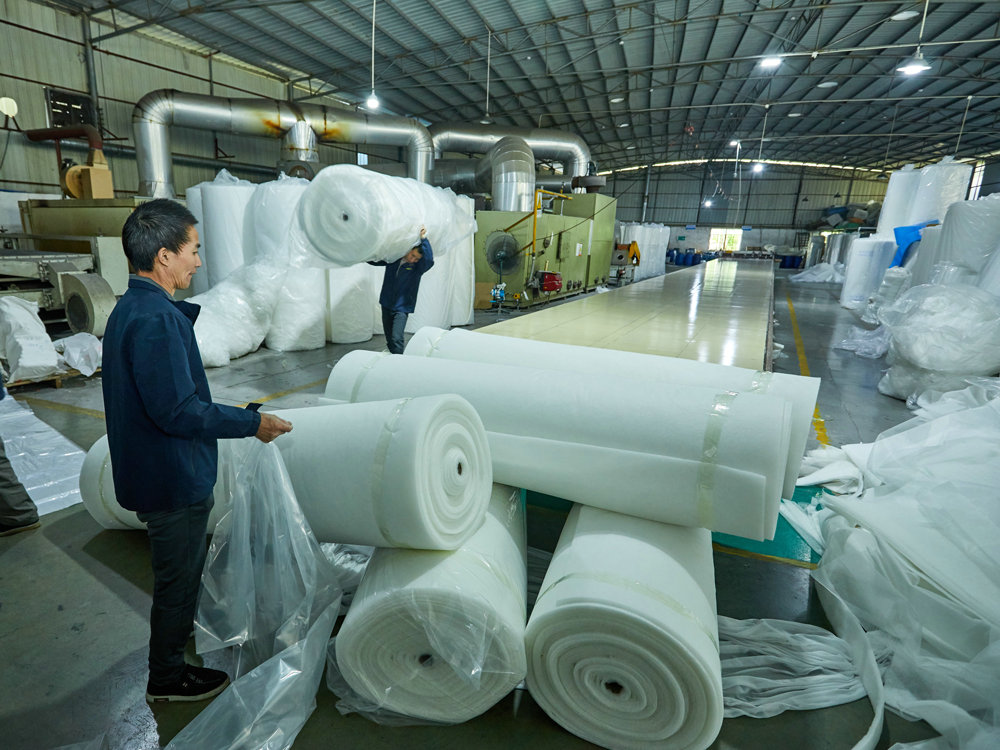
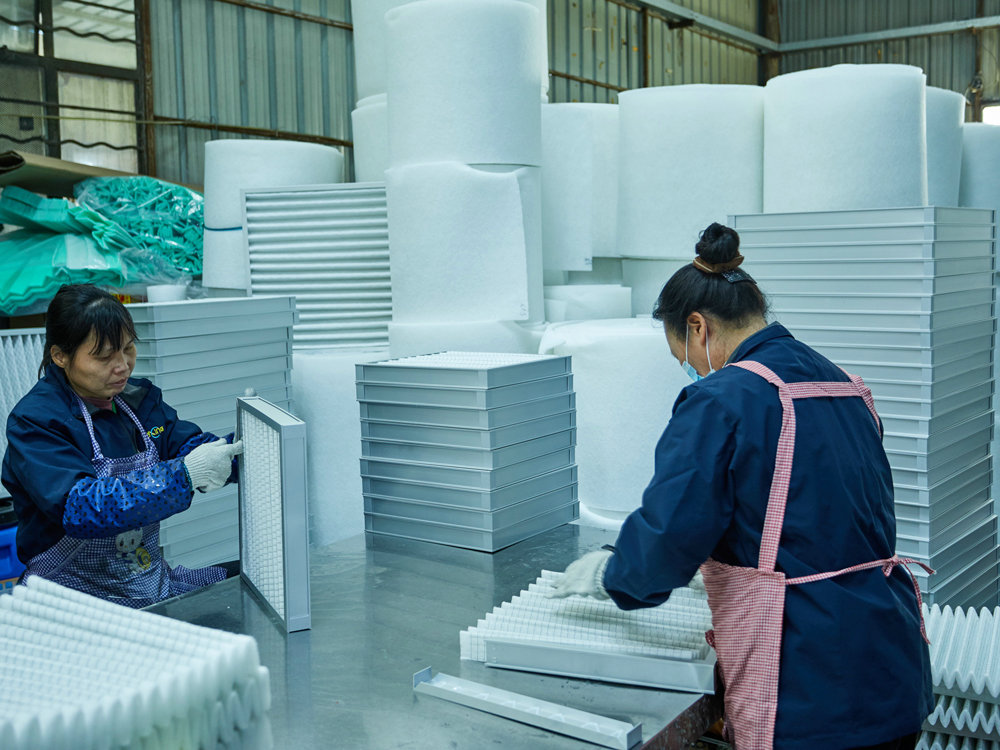
Guangzhou LJF Air Purification Equipment Co., Ltd. is an industrial air filter manufacturer based in Guangzhou, China. According to its company information, LJF manages several important production stages in-house, including filter media processing, filter frame manufacturing, finished filter assembly, and product inspection. This vertically integrated structure allows the company to coordinate different parts of the production process when responding to product specifications and supply requirements.
LJF’s product range covers air filter media, ceiling filters, paint arrestors, pocket filters, panel filters, and HEPA filters. Its products are used in applications including spray booths, HVAC systems, air handling units, cleanrooms, and industrial ventilation systems. The company operates an ISO 9001 quality management system, while applicable products are manufactured to meet requirements and standards such as CE, RoHS, EN 779, and ISO 16890.
The company states that it serves more than 3,000 customers in over 30 countries and regions, including distributors, equipment manufacturers, and industrial customers. LJF also provides OEM and ODM services for customized specifications and long-term supply requirements.
Why Filter Media Matters in Pocket Filter Selection
When comparing fiberglass and synthetic pocket filters, filter media is one of the primary factors to examine. Pocket filters use extended filter-media surfaces to capture airborne particles while allowing air to pass through the system. The material selected can influence characteristics such as filtration efficiency, pressure drop, resistance to mechanical stress, and suitability for a particular operating environment.
LJF’s fiberglass pocket filter is manufactured using fine glass fiber. The product page identifies it as a main filter for commercial and industrial ventilation and air-conditioning systems, as well as a pre-filter for cleanroom ventilation and air-conditioning systems. The listed characteristics include long service life, high burst resistance, a large surface area, compatibility with commonly used filter frames, and high efficiency at relatively low pressure drops.
The fiberglass pocket filter is also described for applications including electronic manufacturing, pharmaceutical production, food processing, chemical facilities, laboratories, and painting shops. These applications demonstrate how fiberglass media can be considered where filtration performance and material characteristics need to correspond with specific environmental requirements.
Synthetic Pocket Filters Focus on Non-Woven Media
Synthetic pocket filters represent another material approach. LJF’s M6 F6 Synthetic Pocket Filter uses high-performance non-woven fabric produced through a thermal melting process. According to the product information, the material contains electrostatic fibers intended to improve the capture of sub-micron dust.
The synthetic pocket filter also features long service life, high burst resistance, a large filtration surface, compatibility with commonly used filter frames, and high efficiency at low pressure drops. LJF states that uniform identification through appearance color can also make the filter easier to distinguish during handling and installation.
The product is positioned for intermediate filtration in air-conditioning systems and can be installed ahead of HEPA filters. Its stated function is to capture dust particles and help protect downstream filters and the wider filtration system. Depending on project requirements, available configurations include bag, frame, and combination types.
Comparing Application Requirements Before Selection
For buyers evaluating a Fiberglass Vs Synthetic Pocket Filter Manufacturer China, application conditions can be more important than simply comparing material names. The operating environment, required filtration level, airflow, pressure drop, available frame dimensions, and downstream filtration equipment should all be considered together.
LJF provides fiberglass pocket filters for several industrial and controlled-environment applications, including pharmaceutical, electronic, laboratory, food-processing, chemical, and painting environments. The product information also identifies their use in cleanrooms, air-conditioning systems, and industrial ventilation.
Synthetic pocket filters, meanwhile, are described as intermediate filters for air-conditioning systems, particularly in systems where the pocket filter is positioned before a HEPA filter. LJF’s technical information lists M5 through F9 filter classes for the product configuration, with multiple bag quantities and dimensions available. Other specifications can also be customized according to requirements.
This means that procurement teams may need to evaluate the complete filtration system rather than selecting a filter solely according to its media. The same material may perform differently under different airflow rates, dust concentrations, pressure conditions, and maintenance schedules.
Technical Parameters Also Influence Purchasing Decisions
Technical specifications provide another important reference when comparing pocket filter options. LJF’s synthetic pocket filter specifications include non-woven fabric media, aluminum, galvanized, or plastic frame options, a stated temperature resistance of 80°C, maximum temperature of 100°C, relative humidity up to 100%, and a recommended final pressure drop of 400–450 Pa.
The product page also provides several size and airflow configurations. For example, selected models are available in dimensions such as 592 × 592 × 600 mm, with rated airflow options depending on the number of pockets. Other specifications can be customized according to project requirements.
Replacement intervals should also be considered. LJF indicates that under rated air volume, a bag filter may need replacement after approximately three to six months, while resistance reaching 450 Pa or more is identified as a replacement point. Actual service life can vary with environmental dust concentration and operating conditions.
Manufacturing Capability Becomes Part of Supplier Selection
Beyond individual filter specifications, the manufacturing structure of a supplier can affect procurement consistency. LJF’s Guangzhou facility integrates filter media production, automated pleating, frame cutting, assembly, and inspection processes. The company also describes vacuum packaging and container-optimized stacking as part of its production and logistics approach.
For international buyers, this type of integrated production can be relevant when different components or customized specifications need to be coordinated within the same supply chain. LJF also reports that its factory is located approximately 10 kilometers from Guangzhou Baiyun International Airport, supporting access to air and sea transportation.
LJF’s Role in Fiberglass and Synthetic Pocket Filter Supply
The comparison between fiberglass and synthetic pocket filters is ultimately connected to the requirements of each ventilation or air purification system. Fiberglass media and synthetic non-woven media have different material characteristics, while both can be configured for particular filtration applications.
For buyers searching for a Fiberglass Vs Synthetic Pocket Filter Manufacturer China, factors such as media construction, filtration efficiency, pressure drop, frame compatibility, dimensions, environmental conditions, replacement requirements, customization capability, and quality management can provide a more structured basis for supplier evaluation.
LJF combines fiberglass and synthetic pocket filter options with a broader portfolio of air filtration products. Its integrated manufacturing model covers filter media and finished filtration equipment, while its product range extends from pre-filtration solutions to HEPA filtration. This allows different filtration requirements to be considered within a broader air-management product portfolio.
As filtration requirements continue to vary across HVAC, industrial ventilation, cleanroom, and manufacturing environments, material selection remains closely connected with operating conditions and system design. For procurement teams, evaluating the complete technical and supply requirements can help clarify whether fiberglass or synthetic pocket filtration is more appropriate for a specific application.
Official Website: https://www.ljfairfilter.com/
About us
Guangzhou LJF Air Purification Equipment Co., Ltd. is an industrial air filter manufacturer based in Guangzhou, China. We produce and process filter media, manufacture filter frames, assemble finished filters and carry out product inspection in-house. Keeping these key production steps under our own control helps us maintain stable quality, respond to custom requirements and manage delivery more efficiently.
Media Contact
Company Name: Guangzhou LJF Air Purification Equipment Co., Ltd.
Contact Person: Media Relations
Email: Send Email
Country: China
Website: https://www.ljfairfilter.com/
Press Release Distributed by ABNewswire.com
To view the original version on ABNewswire visit: LJF Highlights Key Factors in Fiberglass Vs Synthetic Pocket Filter Manufacturer China Selection