
Virse Connects AI Relighting Inpainting Saturation and Product Placement Tools
Virse connects four November 19 studio tools for lighting direction adjustment, masked object inpainting, natural color
Press Release Disclaimer: This is a press release distributed through the XPR Media network. It has not been independently verified by our newsroom.
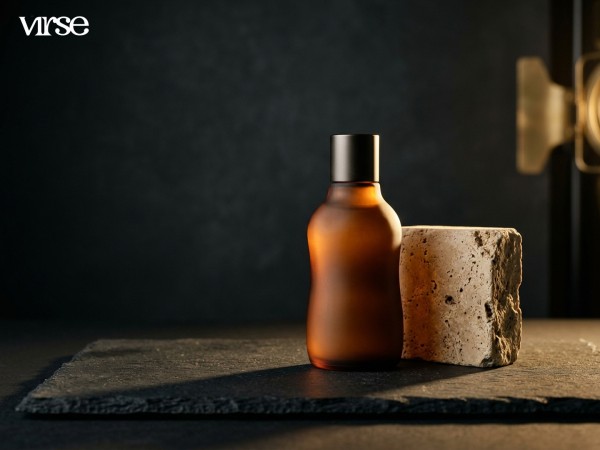

Virse connects four November 19 studio tools for lighting direction adjustment, masked object inpainting, natural color saturation balancing, and product placement previews in one browser canvas.
United States, 27th Nov 2026 – Virse has added four studio lighting, local repair, color intensity, and product staging tools published November 19 to its node-based workspace, uniting single-photo relighting, descriptive regional inpainting, color vibrancy tuning, and scene placement under one browser roof. Powered by 40+ AI models including 21 dedicated image engines, the four additions help commercial shooters and e-commerce brand teams rescue flat lighting and stage campaign visuals without rebuilding scenes in desktop retouching packages.
Product photography pipelines stall around late lighting and staging adjustments before campaign ads even reach media buyers. After a warehouse shoot wraps, a merchant finds twenty matte skincare bottles lit cleanly in flat overcast light when an autumn promotion calls for warm low-angle rim highlights across dark stone. Other captures carry shipping scuffs, stray floor cords, awkward wall outlets, or lifeless midtones that mechanical saturation bars push directly into clipped neon reds and flushed cheeks. Fixing lighting, cleaning background flaws, and testing one lifestyle tabletop setting traditionally bounces files across separate retouchers, 3D contractors, and social producers for days.
Virse links those repair and lighting stages directly beside candidate proofs on one visual canvas. Short written cues work better here than layered toolbars. Operators specify exact key-light direction, repair bounds, or surface reflections in plain text, comparing every fresh candidate plate side by side against the untouched photograph prior to download.
Balancing scene saturation and localized photo repairs
Visual editors fixing dull outdoor captures or harsh studio frames open the image saturator inside the browser workspace. Mechanical gain sliders break mixed scenes quickly. Rather than pushing raw color intensity blindly until foliage neon-clips and portrait complexions blush artificially, operators specify soft natural warmth lift, crisp storefront punch, or restrained editorial desaturation. Separate candidate proofs sit adjacent on screen so teams detect subtle hue clipping immediately across brushed metal, cotton fabric, and frosted glass. Virse builds saturation around descriptive prompt passes with zero live drag sliders or raw tonal curves, making visual inspection of human skin and bright specular edges essential after stronger adjustments.
Scuffed packaging corners, stray power cables, unwanted floor decals, and torn garment hems route next through the AI inpainting tool. Free-form generative fill workflows target open-ended room restyling with extra chairs or decorative plants. Virse’s inpainting node concentrates tightly on local defect repair and surface continuity. Naming the problem region alongside surrounding materials lets brick mortar, oak wood grain, or knit cotton weave smoothly across repaired pixels without scrambling neighboring product packaging. Text cues replace manual brush painting and multi-layer PSD documents, so untouched outer margins carry no bit-level locks and warrant brief human sign-off.
“Commercial retouchers lose half their week fixing stray cords, flattening washed-out daylight, and patching product scuffs before anyone evaluates the creative concept,” said a spokesperson for Virse. “Connecting regional repairs, directional lighting shifts, vibrancy checks, and scene placement on one canvas keeps routine photo rescue direct and honest.”
Reshaping directional light and staging products in real settings
Photographers rescuing flat tabletop captures or uneven tungsten warmth load single completed stills into the AI relight generator. Written directions reshape key-light direction, warm late-afternoon rim glow, crisp commercial backlight, or matched ambient color from an uploaded lighting reference without shifting bottle proportions or portrait poses. Studio assistants compare soft overcast wrap next to hard edge rim lighting across a series of glass jars or apparel portraits on one screen. That workflow stays completely separate from Virse’s composite-fixing light utility, which corrects lighting clashes between elements pasted together from two separate photo shoots. Generative relighting operates exclusively on static 2D pictures with zero draggable 3D studio light controls or video timeline tracking, and clipped white highlights or blocked pure-black regions hold no hidden raw detail to reconstruct.
Approved stills advance straight into lifestyle merchandising through the AI product placement node. Brand managers drop a clean packshot beside a real interior photograph or written marble counter, bathroom vanity, oak dining tabletop, and studio sunlight cues to render believable perspective size, grounded contact shadows, and natural ambient window reflections. Retail teams compare quiet linen setups next to bright travertine kitchens in moments before committing physical prop budgets or renting daylight studio rooms. Output boundaries stay clear. Product placement creates static visual previews with zero camera motion tracking for moving video clips. Art directors still check small container lettering, ingredient badges, bottle cap geometry, and edge reflections by hand before ad buying begins.
All four November 19 photo tools run together inside Virse Composer for localized node edits, Aesthetic Memory for recurring lighting habits, and structured team Asset Folders for campaign sign-off across studio projects. Accounts begin on Virse’s Free plan with 200 starter compute units and automatic 50-credit daily top-ups whenever remaining balances slip below 200 across 1K outputs on all 21 hosted image engines. Paid plans progress through Basic at 1,000 monthly compute units, Pro at 3,000 credits plus unlimited runs on selected fast 1K image models, tiered Max levels reaching 4K imagery and hosted video models, and Business accounts supporting up to 50 team seats where subscription and top-up credits remain active permanently. Merchandising leads group final seasonal SKU shots by campaign folder and inspect exported stills before media buying begins.
About Virse
Virse builds an integrated visual AI canvas engineered by machine learning specialists and commercial product designers honored with more than 100 international design awards. Operating out of Dover, Delaware, Virse gathers 40+ AI image, video, and text engines alongside Virse Composer, Aesthetic Memory, and team Asset Folders. E-commerce operators, retail merchandisers, commercial studios, and digital agencies depend on Virse to inspect lighting variations, repair unwanted surface flaws, balance seasonal color saturation, and stage product visuals inside a single collaborative browser environment.
Media Contact
Organization: Virse
Contact Person: Virse Media Relations
Website: https://www.virse.ai/
Email: Send Email
Country: United States
Release id: 51165
View source version on King Newswire:
Virse Connects AI Relighting Inpainting Saturation and Product Placement Tools
This content is provided by a third-party source. King Newswire makes no warranties or representations in connection with it.


