
New MIT Research Finds Reinforced Masonry Can Cut Expected Hurricane-Wind Damage by More Than Half
DENVER, Nov. 10, 2026
Press Release Disclaimer: This is a press release distributed through the XPR Media network. It has not been independently verified by our newsroom.
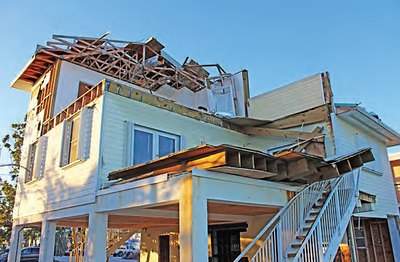

New MIT Research Finds Reinforced Masonry Can Cut Expected Hurricane-Wind Damage by More Than Half
PR Newswire
DENVER, Nov. 10, 2026
Florida analysis links stronger structural performance to substantially lower repair costs for homeowners and communities
DENVER, Nov. 10, 2026 /PRNewswire/ — The latest study from the Massachusetts Institute of Technology (MIT) Concrete Sustainability Hub, supported by the Concrete Masonry Checkoff (CMC), finds that engineered (reinforced) concrete masonry homes sustained roughly half the wind damage of wood-frame homes in Florida during Hurricane Irma. Reinforced concrete masonry homes also outperformed wood-framed construction in all hurricanes examined. Florida alone carries an estimated $1.8 trillion in hurricane-exposed residential property, underscoring what’s at stake in how homes are built.
Researchers from the MIT Concrete Sustainability Hub analyzed post-storm building damage data from three major hurricanes, Irma (2017), Harvey (2017) and Michael (2018), compiled through National Science Foundation NHERI DesignSafe field assessments. The study compared wood-frame, reinforced concrete masonry and reinforced concrete construction. Its findings are published on the MIT Concrete Sustainability Hub (CSHub) in two briefs: Beyond the Envelope: How a Home’s Structural System Shapes Hurricane Damage and Modern Masonry Performance in Hurricane Irma: A Comparison with HAZUS Vulnerability Models.
Modern, reinforced masonry construction combines concrete masonry units (CMU), steel rebar and grout into one high-performance structural system. Vertical and horizontal steel bars reinforce the block walls, while grout locks the components together to help the building resist high winds and windborne debris.
The research also examines how investments in stronger construction can pay off through avoided storm losses. Florida’s statewide building code upgrades, for example, have added roughly $3,000 to the average home’s construction cost, a premium the study notes has historically been recovered through avoided storm losses within about eight years.
“When we talk about resilient construction, the focus has often been on the building envelope — the roof, windows and doors. Those components are critical,” said Randolph Kirchain, CSHub director and a co-author of the study. “But there hasn’t been as much attention paid to the role that the underlying structural system plays. This study demonstrates the important role of building with strong structural materials in resilient construction.”
Kirchain also points to an opportunity to communicate resilience in ways that help owners and homebuyers compare construction options. Much like an EnergyGuide label explains appliance efficiency, clearer information about building performance could help people make more informed decisions.
That understanding is increasingly important as coastal populations grow and severe storms expose more homes to damaging winds. Because wind forces increase disproportionately with wind speed, even a relatively small increase can substantially increase structural damage and associated repair costs.
“Every design decision should contribute to long-term resilience,” said Danielle Mokris, southeast technical director for the Beauty of Block Design Collective, which helps architects and engineers by providing industry-funded concrete masonry design expertise and self-help resources. “Reinforced masonry helps buildings stand strong against high winds and flying debris, protecting lives while making recovery faster and easier when the storm clears.”
Learn more about how concrete masonry can support high-wind resilience at BeautyofBlock.com/why-block/resilience/hurricane.
ABOUT BEAUTY OF BLOCK
Beauty of Block® is the national marketing campaign of the Concrete Masonry Checkoff, an industry-funded program supporting education, research and promotion of manufactured concrete masonry products in the United States. Learn more at BeautyofBlock.com.
ABOUT BEAUTY OF BLOCK DESIGN COLLECTIVE
Concrete Masonry Checkoff’s Block Design Collective (BDC) provides complimentary concrete masonry design assistance to architects, engineers and contractors. Accessible at blockdesign.org, the BDC connects project teams with experts for guidance on code, specifications, constructability and design.
Media Contact:
Chelsea Fitzgerald
(515) 298-0045
Cfitzgerald@concretemasonrycheckoff.org

 View original content to download multimedia:https://www.prnewswire.com/news-releases/new-mit-research-finds-reinforced-masonry-can-cut-expected-hurricane-wind-damage-by-more-than-half-302935145.html
SOURCE Concrete Masonry Checkoff

